
Most spa holidays end up underdelivering. Not because the facilities are poor, as increasingly, even mid-range hotels have decent pools and a sauna; but because the overall design of the stay works against what a proper rest requires. The wrong location, a kitchen that prioritises volume over quality, a wellness area too small to feel genuinely private: any one of these is enough to turn a holiday meant to restore you into one that merely passes pleasantly. The difference between a spa holiday that changes the tempo of your life for a few days and one that doesn’t is mostly a planning question. Let’s see what it should require.
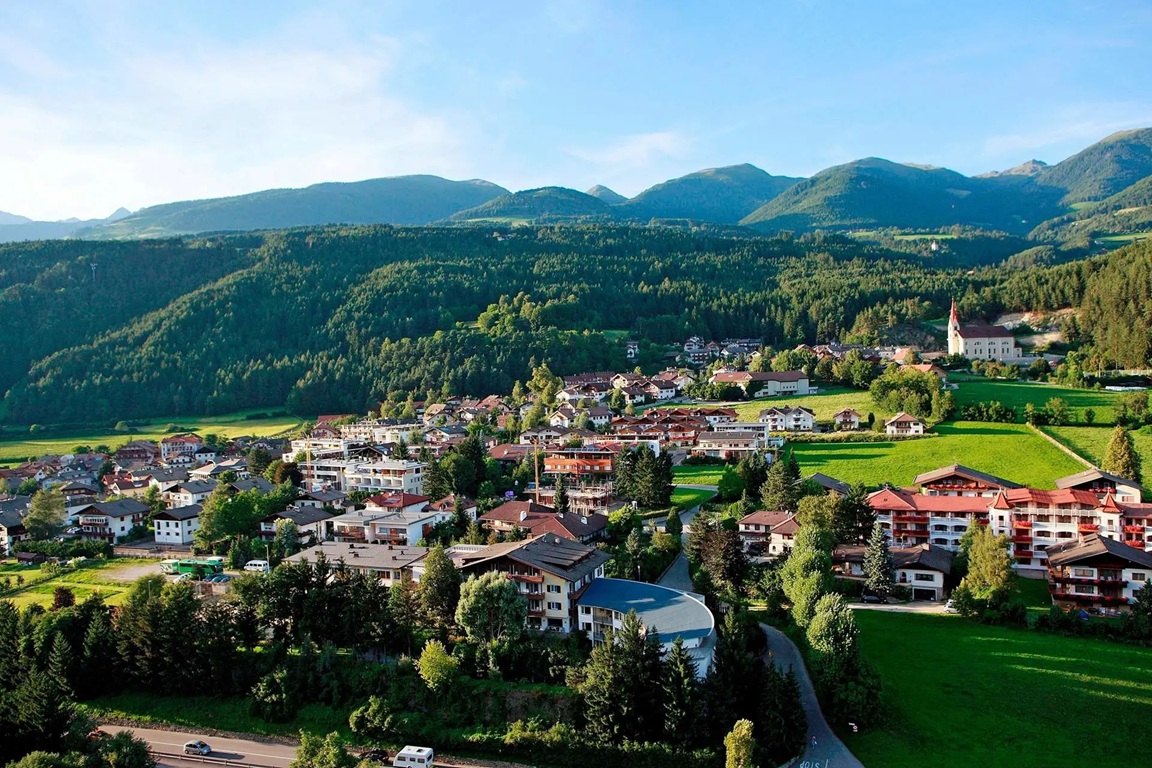
Of course, location matters more than most spa guides suggest. A wellness hotel surrounded by a functioning landscape – mountains to walk in, trails that start at the hotel gate, an outdoor environment that reinforces the sense of stepping away from routine – does something that no treatment menu can replicate on its own. The body has to be somewhere it responds to, not just somewhere it is placed. South Tyrol, with its combination of Dolomite drama and valley intimacy, does this particularly well. The air alone is part of the offering.
Scale is the second variable. A spa that feels genuinely spacious changes the rhythm of a stay: like multiple sauna experiences, both indoor and outdoor water, and relaxation areas that do not require queuing for a daybed. When you can simply wander between spaces rather than negotiating access, the passive relaxation that is the whole point of a spa day becomes possible. The best spa solution hotels in Italy in this region tend to have understood this through accumulated experience rather than design briefs. They have been expanding and refining their wellness facilities for decades in response to what guests actually do with them.
Treatments are the third element, and the one most variable in quality. The best results come from properties that have developed their own treatment identity: using local materials, working with regional traditions rather than generic luxury protocols, employing therapists who have been there long enough to know the hotel and its guests. South Tyrol has a genuine tradition to draw on, such as hay baths, Zirben pine therapies, and Alpine herb applications. These are not cosmetic touches but genuine therapeutic approaches rooted in the landscape.
What ties a well-designed spa stay together is the food. This is, surprisingly, where many otherwise good wellness hotels fall apart – defaulting to a light, safe, inoffensive menu that is appropriate to no one in particular. The better properties in South Tyrol take the opposite approach: proper regional cooking, seasonal ingredients, wine from the valley. The idea that good food and good wellness are competing priorities is a misconception that a single well-constructed dinner in this region tends to resolve permanently.
A spa holiday in the mountains, done well, is genuinely different in kind from one spent elsewhere. It requires the right hotel, but it starts with the right landscape.